



Choosing between cremation and burial is a deeply personal decision. Every family and individual approaches this choice differently based on beliefs, traditions, personal wishes, and practical considerations.
In many cases, the wishes of the deceased play the most important role. Families may also consider emotional, cultural, religious, environmental, and financial factors before making a final decision.
Religious and Cultural Beliefs
Religious and cultural traditions often influence whether a person chooses cremation or burial.
Most modern religions now accept cremation, although some faiths continue to prefer traditional burial practices. For example:
- Islam traditionally requires burial.
- Orthodox Judaism generally discourages cremation.
- The Eastern Orthodox Church also prefers burial.
- Hinduism has practiced cremation for centuries as part of spiritual tradition.
For many families, these beliefs provide comfort and guidance during a difficult time.
Cremation vs Burial: Understanding the Difference
Cremation
Cremation is the process of reducing the body to ashes and cremated remains through intense heat. The process is generally completed within a few hours.
Many families choose cremation because it offers:
- Greater flexibility for memorial arrangements
- Lower overall costs in many cases
- More options for keeping or scattering ashes
- Simpler long-term arrangements
Direct cremation is often considered one of the more affordable funeral options because it usually avoids embalming, viewing services, and traditional burial expenses.
Burial
Traditional burial follows a natural process and may provide a physical place for remembrance and visitation.
Many families prefer burial because it offers:
- A permanent gravesite for future generations
- Traditional funeral customs and ceremonies
- A strong connection to religious practices
- A dedicated memorial location
For some people, burial provides a greater sense of tradition, continuity, and comfort.
Environmental and Practical Considerations
Some people consider environmental impact when deciding between cremation and burial.
Cremation may reduce the need for cemetery space, while burial is often viewed as part of a more natural process. At the same time, cremation can raise concerns regarding emissions released during the process.
Practical factors may also influence the decision, especially for families who live far from their hometown or country of origin.
What Happens After Cremation?
Cremated remains can be handled in many different ways depending on personal wishes and local regulations.
Families may choose to:
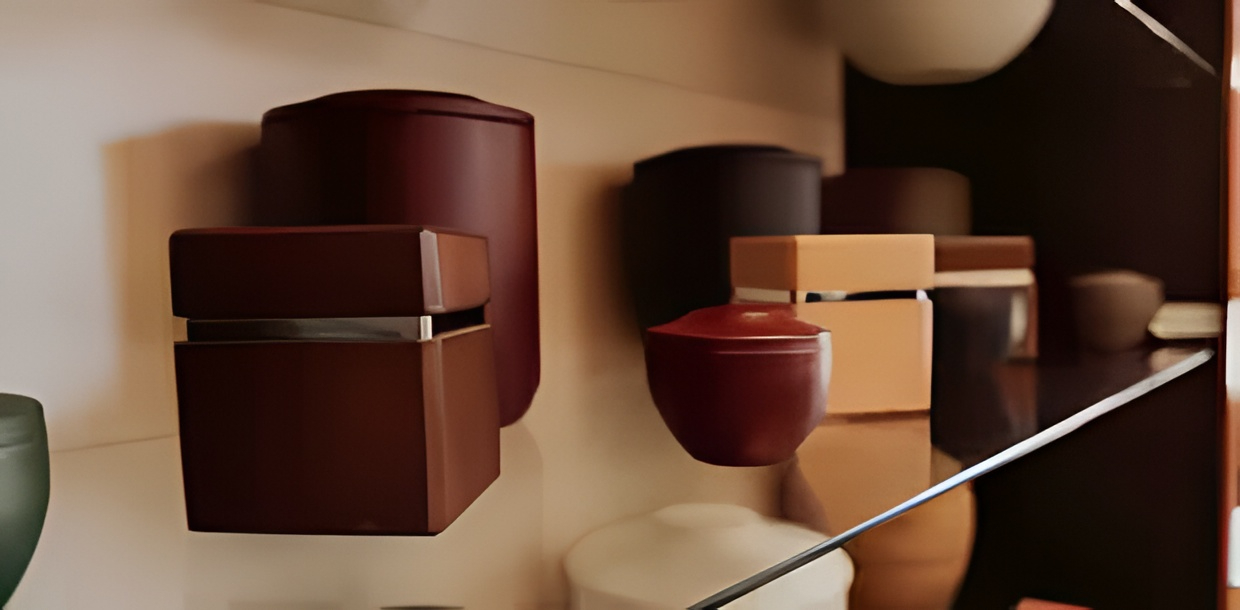
- Keep the ashes in a cremation urn at home
- Scatter the ashes in a meaningful location
- Place the urn in a columbarium
- Bury the ashes in a cemetery
- Place the remains inside a mausoleum or family crypt
One advantage of cremation is the ability to transport the ashes more easily if family members relocate in the future.
Important Things to Consider
Cremation is irreversible, so it is important for families to feel confident in their decision before proceeding.
It is also important to remember that cremation does not replace the funeral or memorial service itself. Many families still choose to hold a traditional funeral before cremation or organise a memorial service afterwards.
Final Thoughts
There is no universally right or wrong choice between cremation and burial. The decision should reflect the wishes, beliefs, and values of the individual and their family.
Taking time to discuss options openly can help families make a decision that feels respectful, meaningful, and appropriate for their loved one.

